


Construction of a production facility in Diourbel
This former textile powerhouse is undergoing a transformation. Senegal no longer wants to simply grow and export high-quality cotton; it also aims to process the fibers into finished garments domestically. By establishing a production facility and training tailors, we are helping the country and its people make the leap toward a value-added future in the textile industry.
Train the trainer for setting up a production facility
The former textile nation is undergoing a transformation. Senegal no longer just wants to grow and export high-quality cotton, but also wants to process the fibres back into finished garments itself. By setting up a production facility and training tailors, we are helping the country and its people to make the leap into a value-adding textile future.
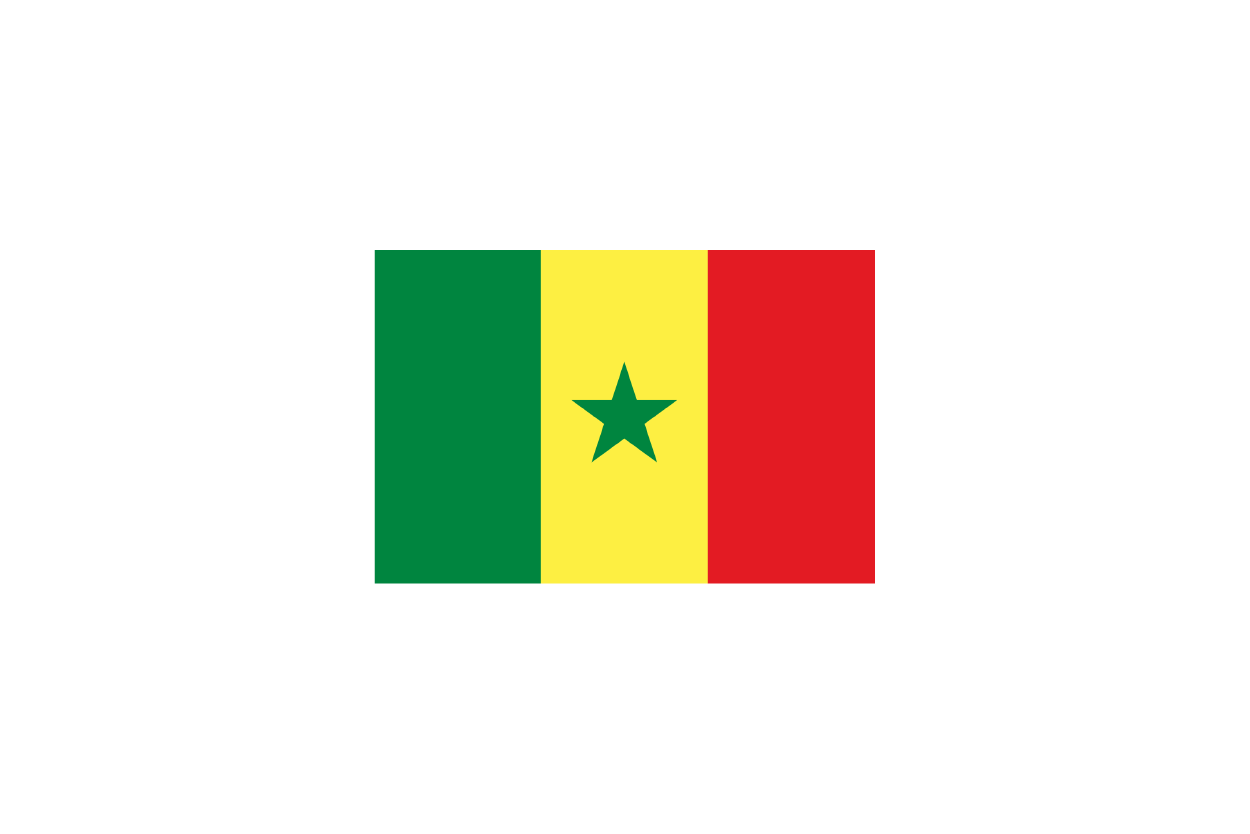
presidential republic
Form of government

196.722 km²

17.2 million

religions
90 % Muslims, 5-7 % Christians,
3 % traditional religions

78,14 %
Youth literacy rate
(2022)
+ 2,6 %
Population growth rate
(2021)
Country profile
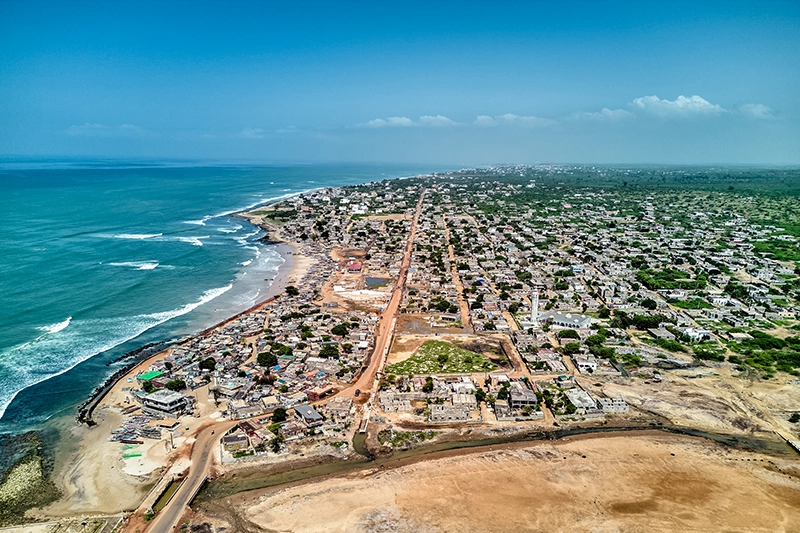
GEOGRAPHICAL LOCATION
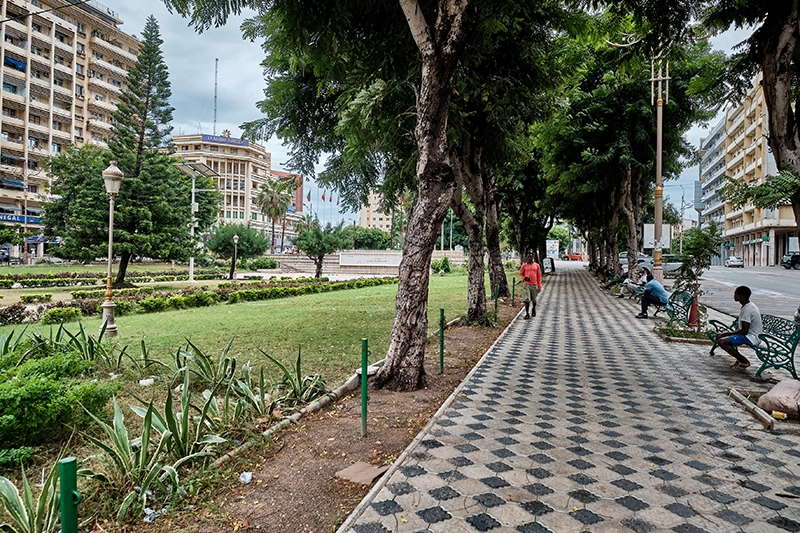
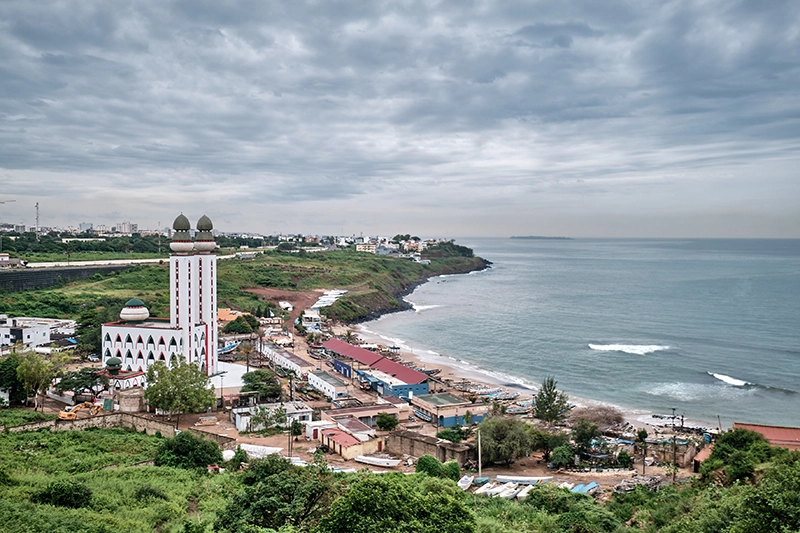
Senegal is located directly on the Atlantic Ocean, surrounded by the five neighbouring countries of Mauritania, Mali, Guinea, Guinea-Bissau and Gambia. The country is about half the size of Germany, and a good half of its inhabitants live in cities. Above all in and around Dakar, Thiès Nones, Touba, Kaolack and Diourbel.
ECONOMY
Senegal is considered one of the most stable countries in Africa, both economically and politically, and has been one of the reform partners of the German Federal Ministry for Economic Cooperation and Development (BMZ) since November 2019. Its self-declared goal: to become an emerging economy in the coming years.
RELIGION AND LANGUAGE
There are no major tensions between the 20 or so ethnic groups living together and most Senegalese belong to the Muslim faith. At least 80 per cent of the population speak or understand Wolof, which is the everyday language par excellence. Nevertheless, the official language is French.
TEXTILE AND TEXTILE INDUSTRY
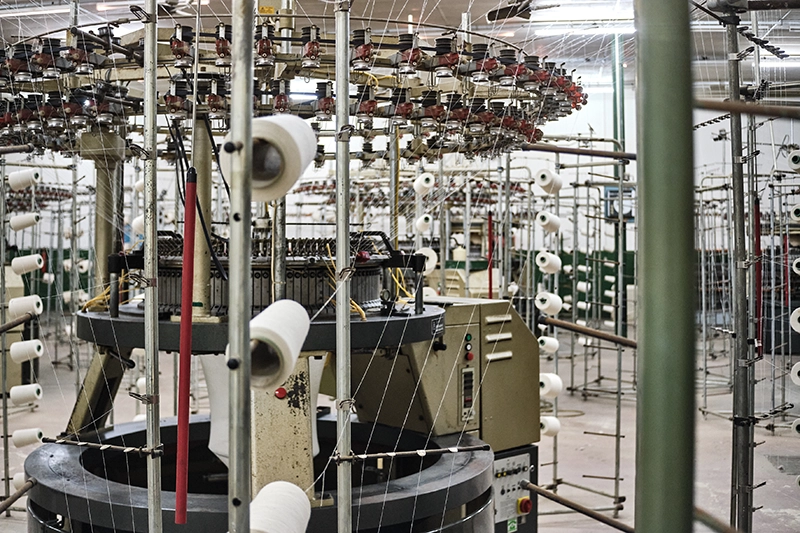
Both national and international brands are focussing on the country as a potential production location. This is because Senegal not only has a well-structured cotton sector, but also a solid machine park with European spinning, weaving and knitting machines from the 1980s. In addition, investments are being made in companies for Tracabality software, which can already track the most important production steps.
Construction of a production facility with long-term jobs in Diourbel
About 150 kilometers from Senegal’s capital, Dakar, we are building a textile production facility in partnership with Invest for Jobs, an initiative of the German Society for International Cooperation (GIZ). The goal is to train and provide continuing education to tailors using a proven curriculum and to offer them permanent employment.
At the production facility, they manufacture garments and home textiles for regional, national, and international markets. Trainers from Benin are on-site to oversee the setup and support both the training and the professional development of the teams.
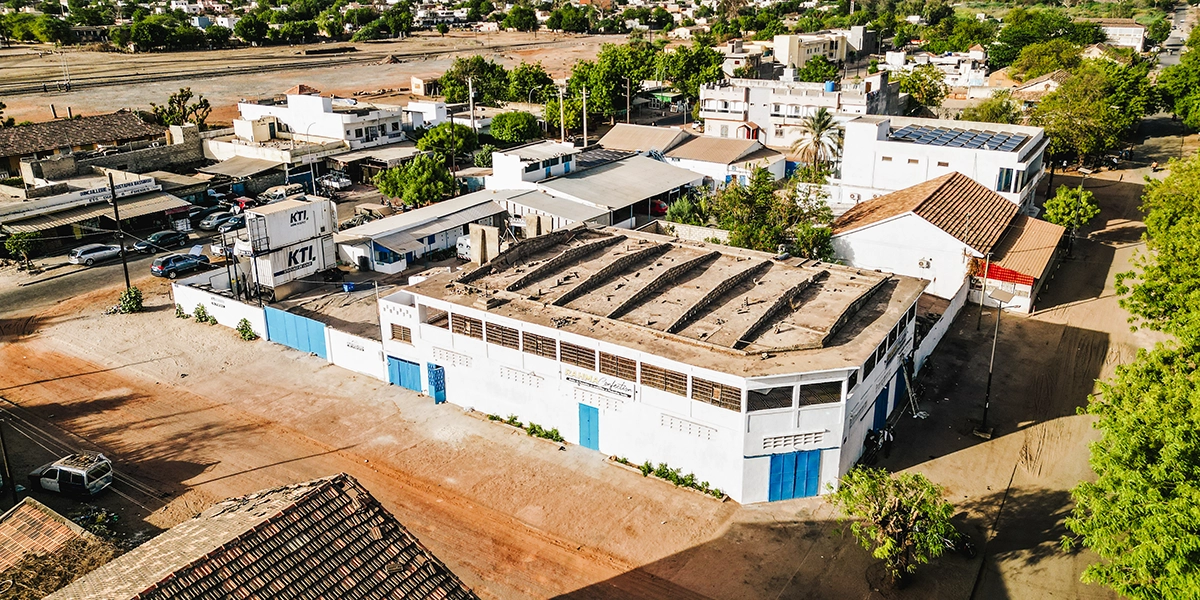
Around 150 kilometres from Senegal’s capital Dakar, we are working with Invest for Jobs, a brand of the Deutsche Gesellschaft für Internationale Zusammenarbeit (GIZ), and our two local partners, Karima Mbacké and Sidy Diop, to set up a textile production facility. Our goal: to train and educate tailors according to a proven curriculum so that they can produce garments and home textiles for the regional, national and international market on a permanent basis. Our trainers from Benin support the trainers and trainees on site. The best side effect: contacts and friendships are formed across national borders, knowledge and expertise begin to flow.
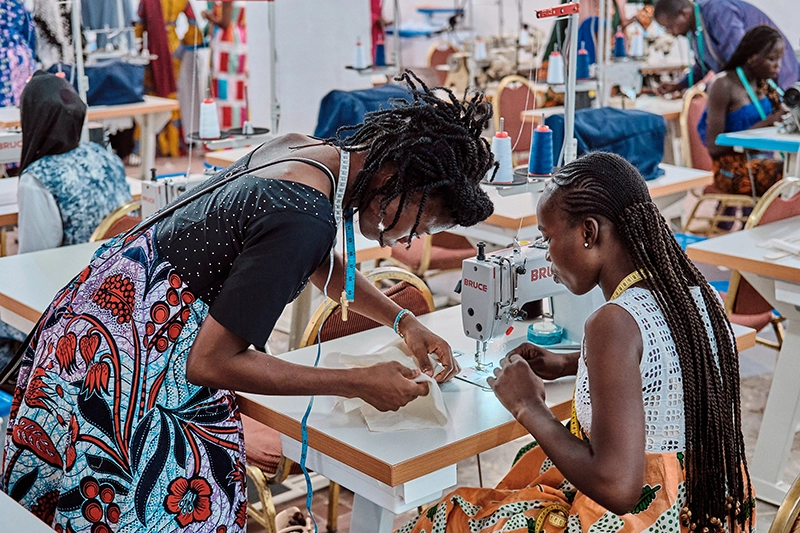
Senegal has many skilled tailors, but until now there has been no uniform, standardized training program. Training approaches are often tailored to individual circumstances, leading to varying levels of quality.
This is where our training program comes in: We teach sound craftsmanship standards and foster a shared understanding of quality, so that trainees learn to produce garments consistently and to a high standard—laying the groundwork for professional collaboration and market-ready production.
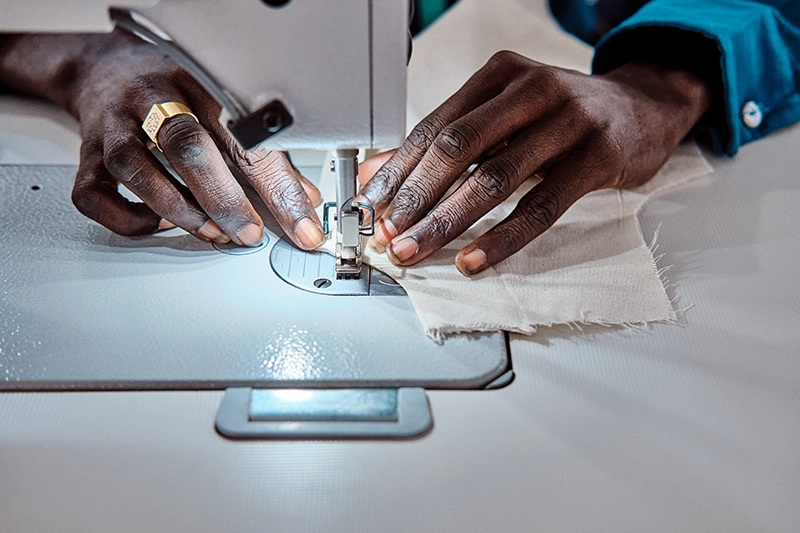
Clothing MADE IN AFRICA is a conscious alternative to low-quality new goods and imported secondhand items. It stands for local value creation, fair working conditions, short supply chains, and long-lasting quality—and thus for greater sustainability in the textile sector.
From conversations on the ground, we know that demand for high-quality, locally produced clothing is growing, especially among young people who are choosing conscious consumption and a self-determined fashion culture.
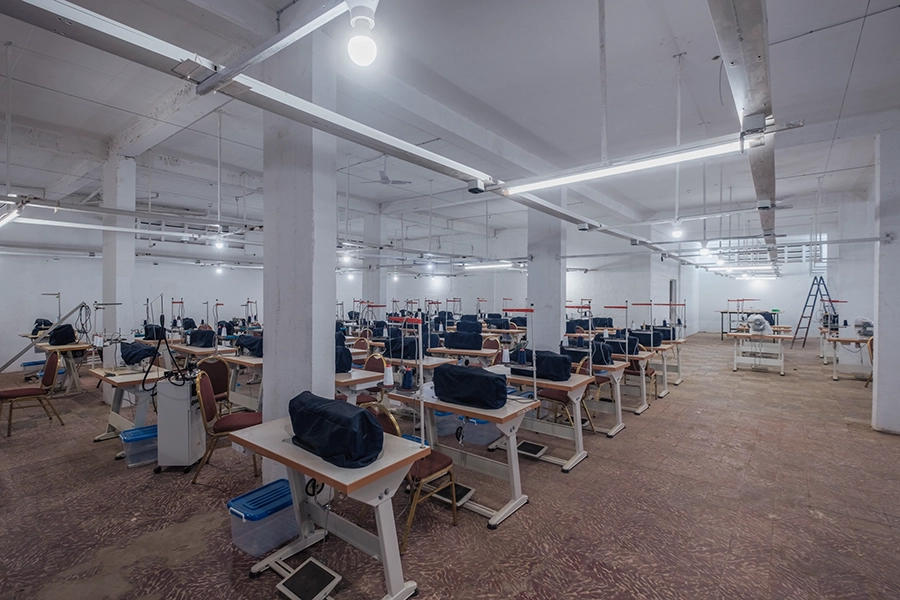
West Africa is becoming an increasingly important manufacturing hub and is also attracting growing interest from international textile manufacturers and fashion labels. The industry is currently undergoing profound changes across global supply chains and is open to new, more stable, and partnership-based models of cooperation. Demand for products from the region is rising rapidly.
West Africa offers not only artisanal expertise but also the potential to build long-term and responsible production partnerships.
more impressions
News & Stories
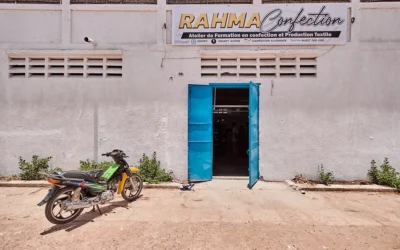
New base in white and blue
With the support of our two partner NGOs ASISPEV(asispev.com) and SIDIO GROUP(sidio-group.com), we found an old warehouse in Diourbel. It is perfect for our plan to set up our own production facility for textiles in close cooperation with the Deutsche Gesellschaft für...
A good omen
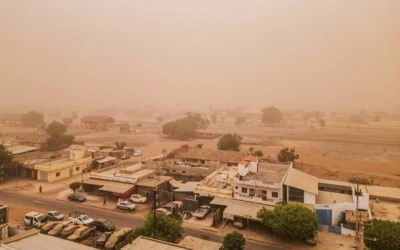
The day after the opening ceremony, the sky turned orange. Desert sand from the Sahara lay like a filter in front of the sun for two days. A natural spectacle - and an additional challenge at over 40 degrees in the shade. We take it as a good omen, Sahara dust is...
Bus ahoy
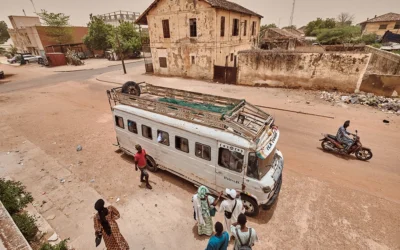
Every morning, a bus collects our tailors and dressmakers at several collection points and brings them back there at 4 pm. We have opted for transport for two reasons: Most of the women and men cannot afford the cost of travelling there and back in the long term - and...
The Project Justine – Train the Trainer e.V.
The Project Justine – Train the Trainer e.V. empowers young people in Ghana, Benin, and Senegal through vocational training, digital skills, and fair employment opportunities. Our approach is based on training local trainers who pass on their knowledge, thereby building sustainable structures in the textile industry.
In addition to weaving, tailoring, and digital design, we promote literacy, childcare, a small canteen, and safe transportation routes—so that young women and mothers, in particular, can easily access training and work. We set up workshops, develop curricula, equip teams with machines, and support graduates on their path to a self-determined professional life.
A central cultural reference point for our work is the fashion brand NOH NEE. It symbolizes what we mean by contemporary exchange: Colormix as an open, honest, and creative dialogue between cultures. For us, this exchange is not an end in itself, but the starting point for connection, responsibility, and long-term collaboration. Our projects in Benin, Ghana, and Senegal also consciously promote Pan-African exchange—as an equally important foundation for cultural self-identity and economic strength.
We are grateful for the journey we have taken and look forward to the steps that lie ahead. Africa is on the move. We are moving with it.
Milestones
Team & Supporters
Our partners

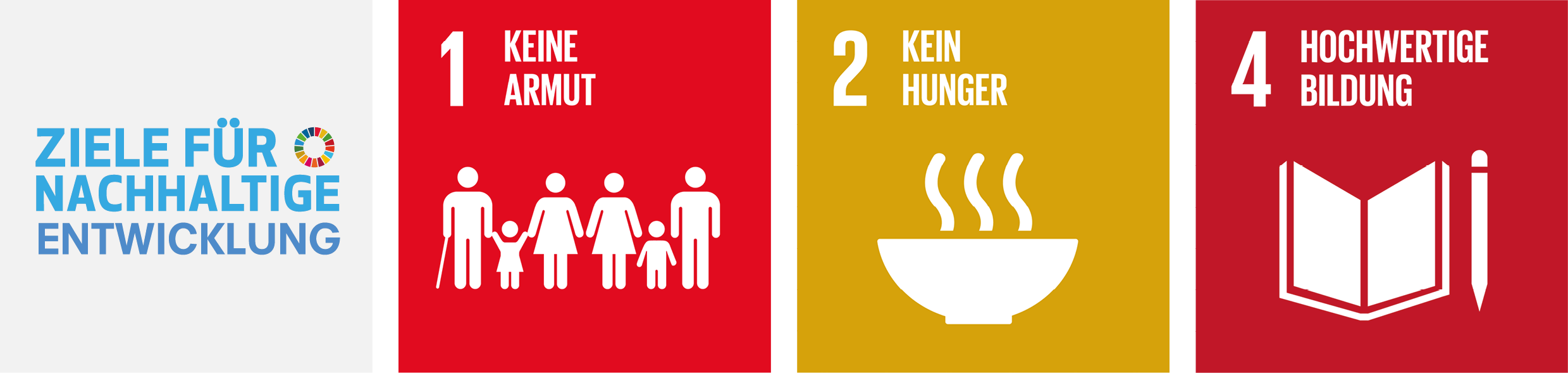
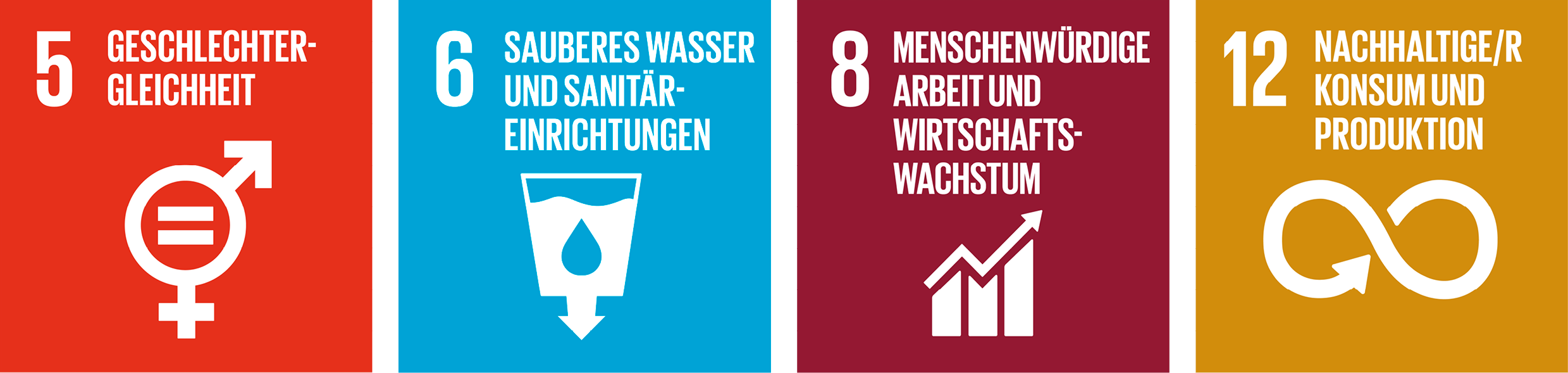
CONCENTRATION ON SEVEN GOALS (SGDs) OF THE UNITED NATIONS

THE PROJECT JUSTINE
- train the trainer e.V.
Agricolaplatz 7
80687 Munich
THE PROJECT JUSTINE - train the trainer e.V.
IBAN DE71 4306 0967 8237 2376 00
BIC GENODEM1GLS
Please support us:
DONATE NOW AT
© THE PROJECT JUSTINE – train the trainer e.V.